Introduction
Playgrounds are lively rooms where children discover, play, and create essential social abilities. However, they can additionally be hotspots for crashes and injuries. Comprehending exactly how to properly plan for and reply to play area mishaps is essential for teachers, moms and dads, and caregivers alike. This write-up dives deep into the numerous facets of play area safety, from recognizing typical risks to effective emergency treatment reactions.
Playground Mishaps: Exactly how to Prepare and React Effectively
When you consider playgrounds, you could picture giggling, pleasure, and care free enjoyable. But hiding below the surface is the truth that mishaps take place-- sometimes when the very least expected. Whether it's a minor scrape or an extra major event, recognizing how to take care of these scenarios is vital.

Understanding Play area Safety and security Hazards
Common Play area Hazards
Before we look into first aid protocols, it's necessary to determine typical threats existing in playground setups. These consist of:
- Equipment Failures: Ropes fraying, swings damaging, or slides with sharp edges. Surface Material: Difficult surface areas like concrete can lead to extreme injuries if a kid falls. Environmental Factors: Weather conditions such as rainfall can make surfaces slippery.
Childcare Safety Hazards Australia
In Australia, particular laws exist relating to childcare safety and security risks that must be abided by. Understanding these regulations assists in mitigating risk elements effectively.
HLTAID012 Accreditation Australia
What is HLTAID012?
HLTAID012 describes the course accreditation needed for individuals supplying first aid in instructional setups. This comprehensive training covers countless scenarios that might arise in a child care environment.
Importance of HLTAID012 Certification
Having personnel that hold an HLTAID012 qualification makes sure that prompt feedback duties are met self-confidence and competence during emergencies.
Building Teacher Confidence
Training Demands for Educators
It's crucial that teachers undertake normal training sessions on topics such as child defibrillation support and handling small wounds. Routinely updating their skills equips them to act confidently throughout emergencies.
Practical vs Written Components
How often should useful training happen versus written analyses? Striking a balance guarantees personnel not only understand the concept however can use it virtually when necessary.

First Aid Basics for Playgrounds
Childcare Centre Emergency treatment Package Australia
Every child care centre ought to have a well-stocked emergency treatment package customized especially for kids's demands. Items must include:
- Adhesive bandages Antiseptic wipes Ice packs EpiPen (for severe allergies)
First Aid Essentials for Moms And Dads Australia
Parents should likewise familiarize themselves with basic emergency treatment methods. Understanding just how to manage choking prevention or identifying bronchial asthma symptoms can conserve lives.
Choking Prevention Techniques
Understanding choking prevention is crucial in any kind of establishing where kids play. Some typical choking hazards consist of:
- Small toys Food products like grapes or nuts Balloons
Teaching children concerning secure eating techniques and supervision can help prevent these incidents.
Epipen Administration
For children with known allergies, understanding just how to carry out an EpiPen is critical. This includes:
Recognizing signs of anaphylaxis. Knowing where the EpiPen is located within the emergency treatment kit. Following appropriate management protocols.Managing Minor Wounds
Minor scrapes and cuts are widespread on play areas. Here's how to handle them efficiently:
Clean the injury delicately using soap and water. Apply antiseptic ointment. Cover with a clean and sterile bandage. Monitor for indicators of infection over time.Proper Hand Health Practices
Maintaining appropriate hand hygiene amongst kids is necessary after any kind of injury or prior to eating treats at the playground.
- Teach youngsters the significance of washing hands. Use anti-bacterial wipes when soap and water aren't available.
Recognising Asthma Signs and symptoms in Children
Asthma attacks can happen suddenly throughout physical activity such as playing on the swings or associating friends.
Signs may consist of:
- Coughing Wheezing Difficulty breathing
Educators must understand just how to react by using inhalers as required and getting in touch with emergency solutions if signs and symptoms worsen.
Incident Coverage Protocols
Accurate documents complying with any type of accident is crucial in instructional setups:
Record information promptly after an incident occurs. Include names of witnesses. Describe what happened leading up to the incident clearly. Submit records according to developed standards within your institution.Immediate Response Obligations Throughout Emergencies
In instance of an emergency scenario on a play ground:
Ensure safety by moving various other children away from harm. Assess injury intensity promptly-- does it require expert medical attention? Comfort the damaged kid while awaiting further help or ambulance arrival.Renewal Timelines for Emergency treatment Certifications
Keeping accreditations up-to-date is important; as a result:
- HLTAID012 accreditations usually require revival every 3 years.
Regular training refresher courses assist maintain knowledge retention amongst instructors pertaining to childhood emergencies.
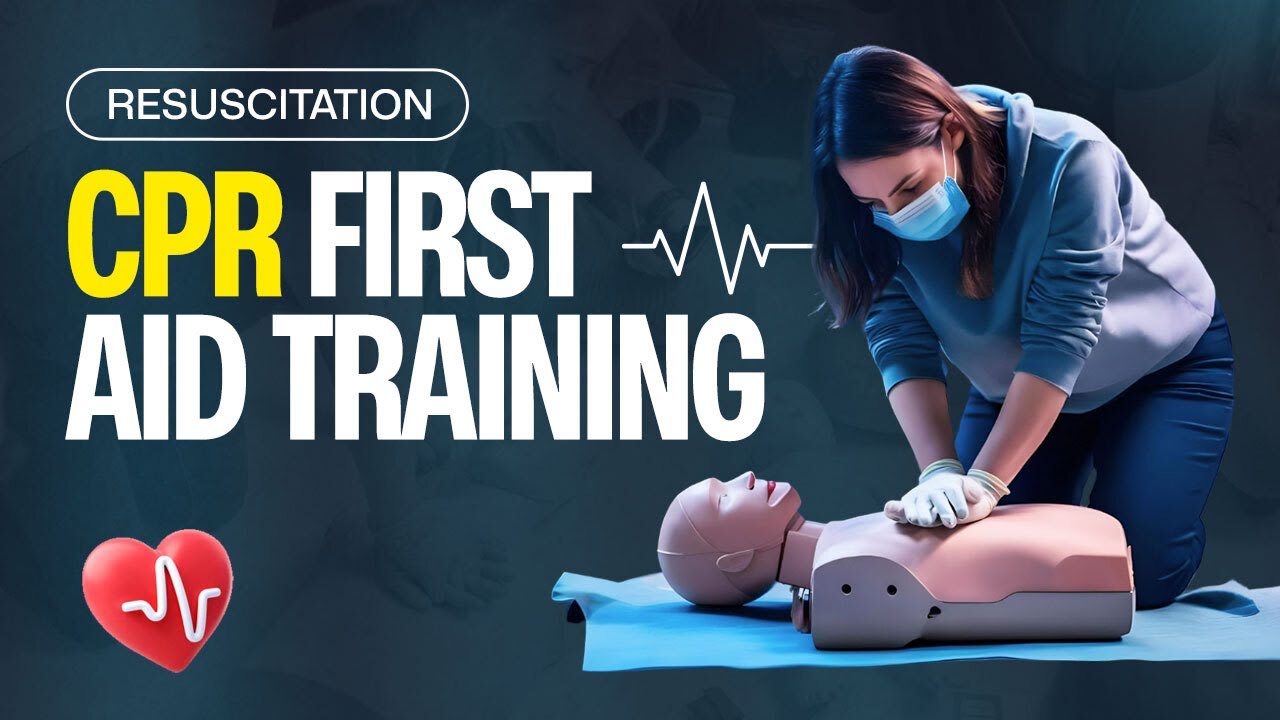
Baby mouth-to-mouth resuscitation Australia Guidelines
Babies might face different emergencies contrasted to older kids; hence understanding baby CPR techniques is important:
Place infant on a firm flat surface. Begin chest compressions at a price of 100-- 120 per minute at a depth of roughly 4 cm (1 1/2 inches). Always call an ambulance prior to starting mouth-to-mouth resuscitation if possible!Toddler First Aid Fundamentals Australia
Toddler-specific factors to consider consist of identifying poisons or choking dangers special to their developmental phase:
- Remind parents concerning keeping little items out of reach.
Additionally, enlighten caregivers on recognizing very early signs of ailment like fever which could rise right into something needing instant attention.
FAQ Section
1) What are some typical play area mishaps?
Common play area mishaps can range from small scrapes due to diminishes tools, coming to be wedged between frameworks, allergies from outside irritants-- all possible occurrences require handling promptly!
2) Just how usually must emergency treatment sets be checked?
First help packages should be evaluated monthly; ended things should be replaced promptly so they prepare when required most!
3) Why is it crucial for child care personnel to have first aid training?
First-aid-trained staff offer reassurance not simply with their expertise however also because they're geared up with abilities necessary throughout emergencies ensuring children's safety and security remains paramount throughout activities undertaken!
4) What steps ought to I take if my youngster has a bronchial asthma attack?
If your youngster reveals signs of an asthma strike, guarantee they rest upright smoothly while utilizing their inhaler as recommended-- call emergency solutions if signs and symptoms remain uncontrolled!
5) Are there details laws regulating play area security standards?
Yes! Each region has guidelines outlining needs associated specifically in the direction of keeping risk-free atmospheres within education and learning systems and recreational parks alike-- these differ widely based upon locality so inspecting local authorities' stipulations will certainly generate insight accordingly!
6) What does appropriate hand health involve in child care settings?
Proper hand health includes washing hands thoroughly under running water with soap for at least 20 secs post any type of injury/after snack time-- using alcohol-based sanitizers when soap isn't accessible also helps in reducing danger elements related towards transmissible diseases spreading among groups easily!
Conclusion
Playground mishaps are inevitable but workable with appropriate prep work and proper feedbacks in position! By furnishing instructors-- and parents-- with knowledge surrounding first-aid methods together with recognizing prospective hazards ahead-of-time produces much safer environments conducive towards discovering via play! Being positive instead of responsive sets up future generations' success while supporting excitement adult CPR courses Perth surrounding youngster freedom without compromising health criteria valued today!
First Aid Pro | First Aid Course Perth (RTO 31124) is one of Australia’s leading providers of accredited First Aid and CPR training. We specialise in Basic Life Support, CPR & First Aid, NDIS HISS, AED, and many other accredited courses. Our training is both convenient and comprehensive, combining online and face-to-face learning options to suit your needs. Keep your first aid certificates up to date with same-day certification upon completion. Plus, find a lower price, and we’ll instantly beat it by 10%! Conveniently located at 195 Adelaide Terrace, Perth, WA 6004. Visit our website for course dates, directions and parking details.
First Aid Pro | First Aid Course Perth (RTO 31124) is a nationally recognised leader in First Aid and CPR training. Our Perth training centre delivers accredited courses including CPR, Basic Life Support, AED, NDIS High Intensity Support Skills (HISS), and comprehensive First Aid certifications. We make training flexible and convenient with a blend of online learning and practical, face-to-face classes. Get same-day certification so you can stay compliant and confident in emergencies. Plus, with our Price Beat Guarantee, if you find a lower price, we’ll beat it by 10% on the spot. Located at 195 Adelaide Terrace, Perth, WA 6004, our venue is central, easy to access, and designed for a great learning experience. Visit our website to check course dates, directions, and parking details.